
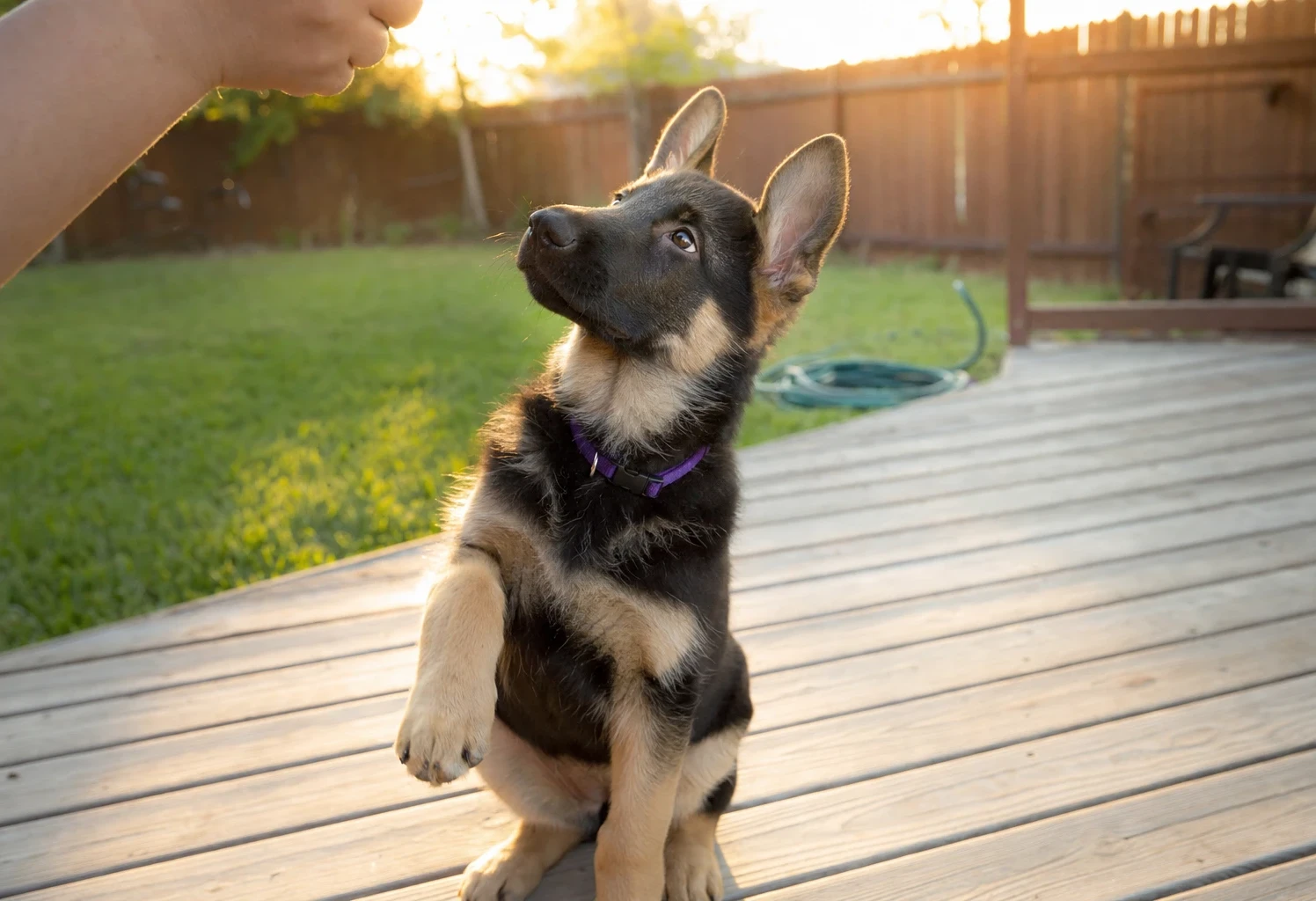
 Let’s be honest — watching your dog nail a trick you taught them, whether it’s a simple “sit” or a show-off “roll over,” never gets old. But if you’ve tried teaching tricks before and ended up with a confused pup and a fistful of soggy treats, you’re not alone. Most dogs *can* learn tricks fast. The trick (pun intended) is knowing how to break it down and communicate clearly.
This guide walks you through everything from the mindset you need before you start, to teaching specific tricks, to troubleshooting when things go sideways.
Why Trick Training Matters More Than You Think
Before we get into the “how,” let’s talk about the “why.” Trick training isn’t just for cute Instagram videos (though, no judgment — we love those too). Teaching your dog tricks:
- Builds mental stimulation. A tired brain is just as important as tired legs. Fifteen minutes of trick training can wear a dog out mentally the way a long walk wears them out physically.
- Strengthens your bond. Training is communication. The more “conversations” you have with your dog through cues and rewards, the more in-sync you become.
- Improves obedience overall. Dogs that learn tricks tend to pick up real-world commands faster too, because they’ve learned *how to learn* from you.
- Boosts confidence. Nervous or timid dogs often become noticeably more self-assured after mastering a few tricks.
So this isn’t just a fun side project — it’s genuinely good for your dog’s wellbeing.
Step 1: Set Yourself Up for Success Before You Start
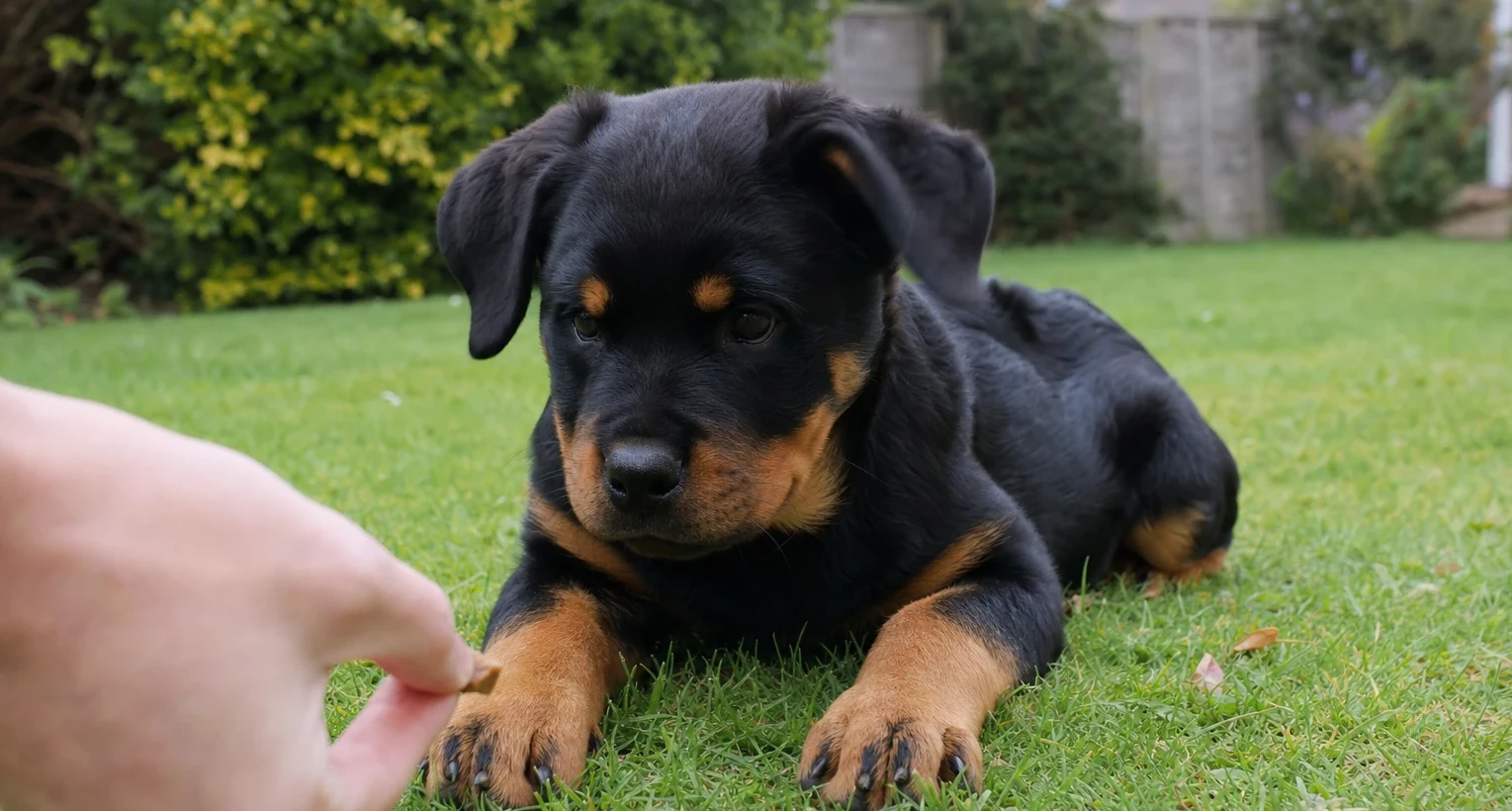 You wouldn’t build a house without a foundation, and you shouldn’t start training without a few basics locked in.
- Pick the right treats. Use small, soft, high-value treats your dog doesn’t get any other time — think tiny pieces of chicken, cheese, or freeze-dried liver. You want something they can eat in one bite so training doesn’t turn into a chew-fest.
- Choose a quiet environment. Start in a distraction-free space — your living room, a quiet backyard corner — before moving to busier areas once your dog has the trick down.
- Keep sessions short. Five to ten minutes, two or three times a day, beats one long 45-minute slog every time. Dogs (like people) learn better in short, focused bursts.
- Get your timing right. This is the single biggest thing that separates fast learners from frustrated owners:
-
- Mark the exact moment your dog does the right thing.
- Use a clicker or a consistent word like “yes!” the instant they do the behavior, then follow up with the treat.
- If you’re too slow, your dog won’t connect the reward to the action.
Step 2: Understand the Core Training Method
Almost every trick you’ll ever teach comes down to one of these three techniques:
- Luring – Using a treat to guide your dog’s body into position (like moving a treat up and over their head to get them to sit).
- Shaping – Rewarding small steps toward the full behavior until your dog builds up to the complete trick.
- Capturing – Waiting for your dog to naturally do something (like a stretch or a head tilt) and rewarding it on the spot, then adding a cue word.
Most beginner tricks use luring because it’s the fastest way to get a visible result, which keeps both you and your dog motivated.
Step 3: Teach the Foundational Tricks First
These are the building blocks. Once your dog has these down, more advanced tricks become much easier.
How to Teach “Sit”
- Hold a treat close to your dog’s nose.
- Slowly move your hand upward and slightly back over their head — their bottom will naturally lower as their head tilts up.
- The moment their bottom touches the ground, say “yes!” and give the treat.
- Repeat 5–10 times, then start saying “sit” right before you lure them, so they associate the word with the action.
- Practice without the lure, using just the hand signal and verbal cue.
How to Teach “Down”
- Start with your dog in a sit.
- Hold a treat at their nose and lower it straight to the floor.
- As their head follows the treat down, slide it slightly forward — their body should follow into a lying position.
- Mark and reward the instant their elbows hit the floor.
- Add the cue word “down” once they’re reliably following the lure.
How to Teach “Stay”
- Ask your dog to sit or lie down.
- Say “stay” and take one small step back.
- If they hold position for even a second, mark and reward.
- Gradually increase distance and duration — don’t rush this one. Add only a few seconds or a few feet at a time.
- Always release them with a clear word like “okay!” so they know when the stay is over.
Step 4: Move on to Fun, Crowd-Pleasing Tricks
Once the basics are solid, this is where trick training gets really fun.
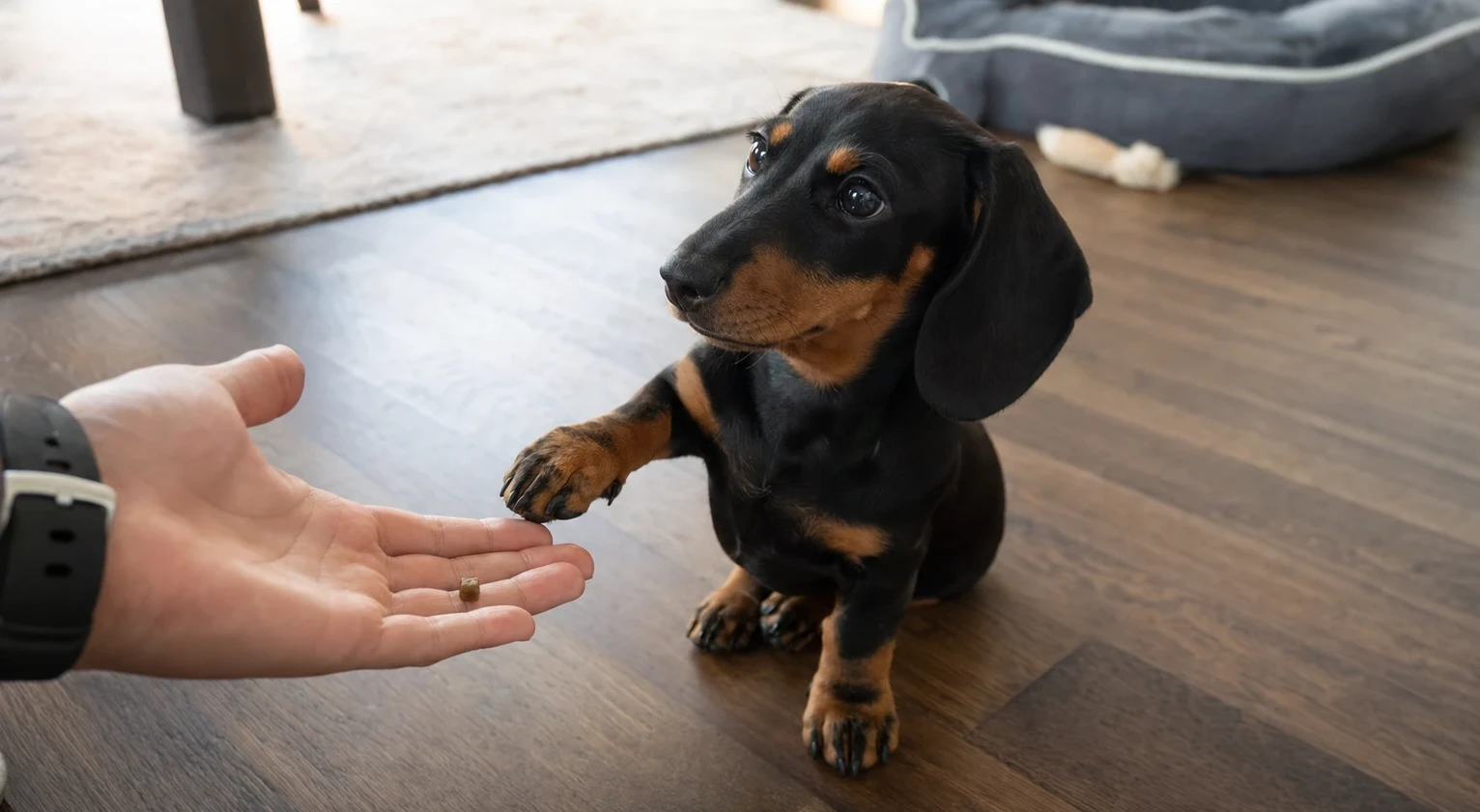
How to Teach “Shake” (Paw)
- Ask your dog to sit.
- Gently touch the back of one paw — most dogs will instinctively lift it.
- The moment the paw lifts, mark and reward.
- Once they’re lifting the paw on touch, hold your hand out slightly without touching them, waiting for them to offer the paw.
- Add the verbal cue “shake” as they start to anticipate the behavior.
How to Teach “Roll Over”
- Start with your dog lying down.
- Hold a treat near their nose and slowly move it toward their shoulder, encouraging them to twist their head — their body will naturally start to roll.
- Continue guiding the treat in a circular motion until they complete the roll.
- Mark and reward generously — this is a physically bigger ask, so break it into steps if needed (first just the head turn, then the side-lie, then the full roll).
- Add the cue “roll over” once the motion is consistent.
How to Teach “Spin”
- Hold a treat at your dog’s nose and move it in a slow circle around their body.
- Their nose will follow the treat, causing their feet to follow too.
- Mark and reward as soon as they complete the circle.
- Gradually reduce the treat lure to just a hand motion, then add the cue “spin.”
How to Teach “Play Dead”
- Start from a “down” position.
- Use a treat to guide their head to one side, encouraging their body to roll onto its side.
- Mark and reward the moment they’re lying flat.
- Add a dramatic cue like “bang!” once they consistently flop over on command.
Step 5: Troubleshooting Common Problems
- My dog loses interest fast. Shorten your sessions and increase the value of your treats. End on a win, not a failure.
- My dog only does it for treats. Start weaning off food rewards by replacing some with praise, petting, or a favorite toy. Randomize when treats show up so the behavior doesn’t depend on seeing food first.
- My dog gets confused between cues. Make sure each trick has a clearly distinct word and hand signal, and don’t introduce a new trick until the last one is solid.
- My dog does it at home but not outside. This is called “poor generalization.” Practice the same trick in new locations gradually — a new room, then the backyard, then a park — treating each new environment like day one.
Step 6: Keep Building — Chain Tricks Together
Once your dog has 4–5 tricks down solidly, you can start chaining them into a sequence — sit, shake, spin, down, play dead — cued one after another. This is a great way to keep more experienced dogs mentally challenged and takes trick training to the next level.
Final Thoughts
Teaching your dog tricks doesn’t require special talent — it requires patience, consistency, and good timing. Start small, celebrate every tiny win, and remember that every dog learns at their own pace. Some pick up “sit” in one session; others need a week. Both are completely normal.
The real secret isn’t a magic technique — it’s showing up for short, positive sessions day after day. Do that, and before long you’ll have a dog with a trick repertoire that impresses everyone who visits.